
Investment Strategies

Twenty-five is a floor, not a ceiling: why angel portfolio size is an infrastructure question
Every angel carries a mental model of the upside, whether or not they have written it down. Mine is that I have a 1 in


Learn
We're in this together, investing in bold ideas and the founders brave enough to chase them.
The posts and insights here reflect our collective hunch, that the future's full of unknowns, and no one can predict it. But with shared perspectives and a little optimism, we just might back the ones who get it right.
Every angel carries a mental model of the upside, whether or not they have written it down. Mine is that I have a 1 in

Startup exits cluster at $20–40m because that’s where a founder’s personal number gets met. Why that gravity makes the big outcomes unforecastable.

Angelmatic automates the discipline of angel investing: diversified, prequalified, hands-off. Why I built it, and why I’d use it myself.

The biggest venture wins were built in the grey. Why angel investing regulatory risk is really a bet on where politics lands, and how I read it.
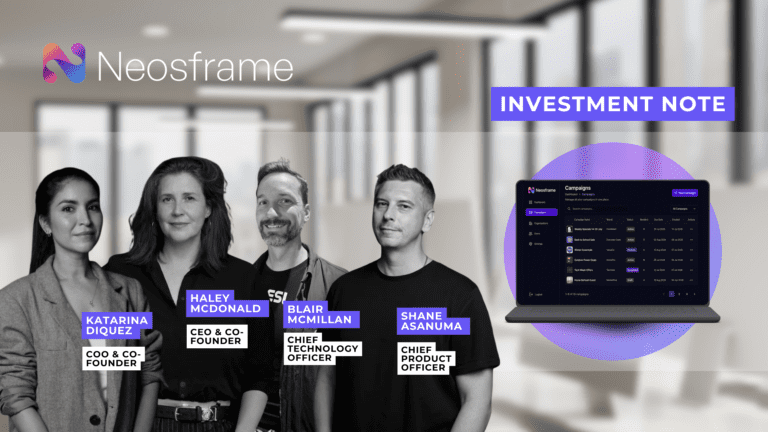

MooCoo backs Neosframe, the Brisbane platform that puts advertising compliance into the software instead of the policy document.

An angel investment thesis isn’t a one-liner about a sector. It’s what you build once you admit you can’t pick winners.

The AI data centre backlash has a physical focal point: energy, water, noise. Two technologies are making that target disappear, and the deals are local.

The cadence of informed angel investing requires a reassessment of the cheque sizes. Why the maths says $1,000–$2,000 and why MooCoo is built around that answer.

A podcast on a walk, a $55bn bid, and the line I use to shock founders: Beanie Babies was eBay’s go-to-market. Here’s what that means for the wedge.

Australia is struggling to define a “startup” for its CGT carve-out. The wholesale investor test faced the same problem decades ago and chose bluntness. Here’s why that was wise.

Why pessimism is the natural default for a markets professional, why it’s structurally wrong, and how the momentum trade makes optimism the rational angel stance.

MooCoo backs Ovum AI, the health platform built to help women get taken seriously by their doctors.

After 13 years in an angel group and 80+ investments, my bias is that angels should help less. The smartest contribution is narrow, deep, and stays out of the way.
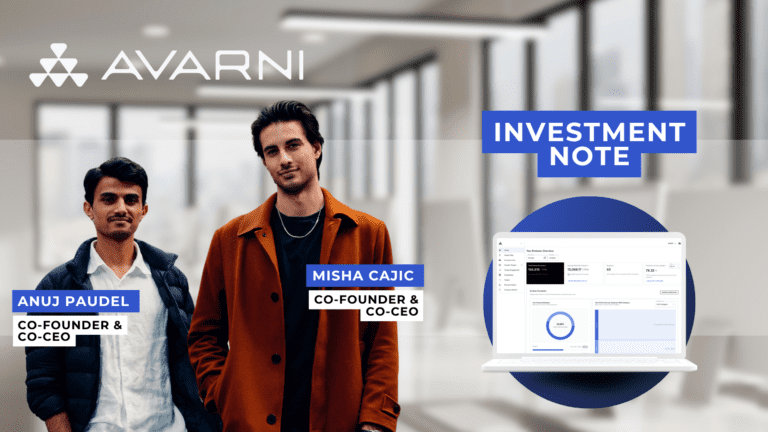
MooCoo backs Avarni, the Australian RegTech turning a brand-new compliance deadline into a finance-grade reporting platform thousands of companies are about to need.

A precise valuation model never tells you when price reverts to value. Except in one case: where the reversion has an address, and a closing window. Part three of a three-post sequence on how early-stage companies are valued.

The maths says the winner needs 30x. No one underwrites to 30x. The gap between what you price for and what you need is the whole game. Part two of a three-post sequence on how early-stage companies are valued.
